

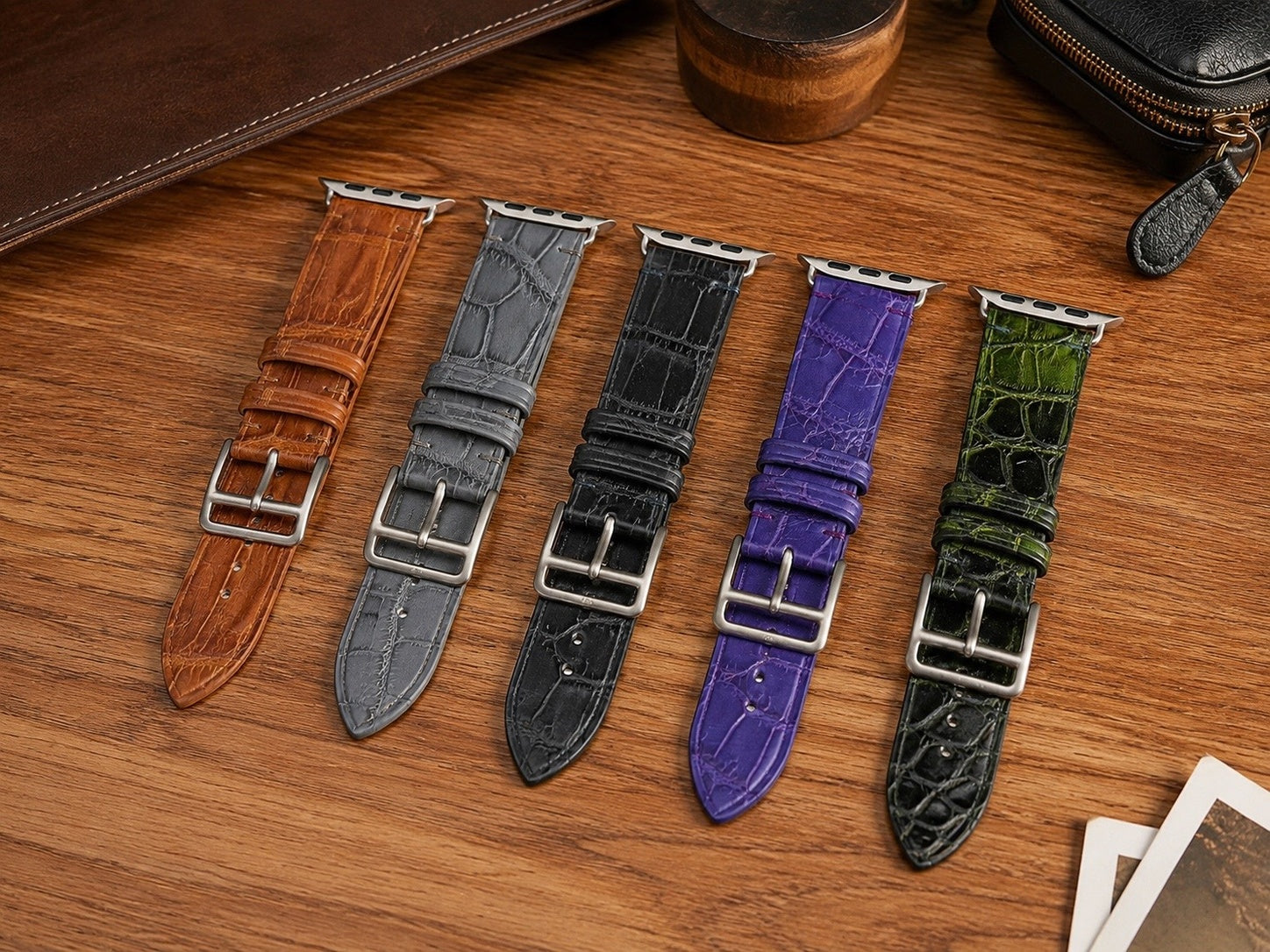
Silicone vs Leather Watch Strap: Which One Fits Your Lifestyle?
Quick answer: If you sweat a lot, swim, or keep your watch on during workouts, silicone is usually the safer one-strap choice. If your watch is mostly for officewear, meetings, or dressier outfits, leather will usually look better and feel more appropriate. If you switch between gym use and formal wear during the same week, two straps are often more practical than trying to make one material do both jobs.
Silicone vs Leather: Side-by-Side Comparison
| Feature | Silicone Strap | Leather Strap |
|---|---|---|
| Best for | Sports, swimming, heat, active lifestyle | Office, meetings, formal events |
| Comfort | Soft, flexible, lightweight | Breaks in over time, breathable |
| Durability | High—resists moisture and impact | Variable—depends on leather grade and care |
| Water resistance | Usually handles water far better than leather | Low—moisture accelerates damage |
| Breathability | Low—wrist may sweat during extended wear | High—allows air circulation |
| Odor absorption | Minimal—easy to rinse clean | Moderate—can retain sweat if not aired |
| Style | Sporty, casual, bright colors | Classic, business, elegant |
| Maintenance | Rinse with soap and water | Needs more careful drying, storage, and occasional conditioning depending on the strap |
| Typical lifespan | Varies widely by build quality, sweat exposure, and care | Varies widely by leather quality, lining, moisture exposure, and care |
If You Only Want One Strap
Choose silicone if your watch stays on during workouts, travel, heat, or any routine where it gets wet or sweaty. Choose leather only if appearance matters more to you than convenience and you know the watch will spend most of its time in dry, office-style wear.
What Matters More Than Material
Material is only part of the decision. In real use, lining, thickness, buckle quality, and overall construction often affect comfort and lifespan as much as whether the strap is leather or silicone. A well-made strap in the “less ideal” material can be easier to live with than a cheap strap in the “right” one, which is why material alone should never be treated as the whole buying decision.
Silicone Watch Straps: Practical and Versatile
Silicone usually makes more sense if your watch stays on during workouts, hot weather, travel, or repeated contact with sweat and water. Its real advantage is not style but convenience: it is easier to rinse, easier to live with, and usually the safer one-strap option for people who are hard on their gear. The downside is obvious. Some silicone straps feel sweaty indoors, attract dust, and look too casual for officewear, dress watches, or slimmer outfits.
Leather Watch Straps: Better for Officewear, Worse for Sweat
Leather usually works better when the watch is part of an office, business-casual, or dress setup and appearance matters more than easy cleanup. Many leather straps feel better than silicone in indoor wear, but that does not make them low-maintenance. Sweat, humidity, and inconsistent care ruin leather faster than many buyers expect, which is why it is usually a bad one-strap choice for people who train often, run hot, or wear the same watch everywhere.
The same preference for a cleaner and more premium look is one reason many people also choose an iPhone 17 leather case for everyday carry. Leather cases tend to pair better with officewear and business accessories than sporty silicone designs, especially when made from full-grain or top-grain leather. Over time, quality leather usually develops a softer texture and more natural character instead of simply looking worn out.
If You Choose Leather, Don’t Focus on Labels Alone
Lining, stitching, finish, and sweat resistance often matter as much as the leather label on the product page. Better-made leather straps usually age better than the cheapest corrected or heavily finished options, but no leather strap likes frequent sweat and water exposure.
Lifespan and Durability: What to Expect
How long do they usually last? There is too much variation to give reliable lifespan numbers that apply to every strap. In practice, silicone usually tolerates sweat and water better, while leather usually lasts longer only when it is worn mostly in dry, low-sweat conditions and cared for properly. Build quality, lining, climate, sweat exposure, and hardware matter as much as the material itself, so treat any lifespan estimate on a product page as a rough guess, not a guarantee.
Hybrid Straps: Leather + Silicone
Hybrid straps can work if you want something that looks more polished than pure silicone but handles light sweat better than standard leather. The limitation is simple: they are still a compromise. If you train hard, swim often, or want the longest life from leather, two separate straps usually make more sense than one hybrid.
Matching the Strap to Your Lifestyle
The easiest way to choose is to stop thinking about “best material” in the abstract and look at how you actually wear the watch. If it sees sweat, water, or gym use several times a week, silicone is usually the safer choice. If it is mostly part of your office or dress wardrobe, leather is usually the better-looking option. If you need one watch to cover both use cases, the practical question is not “Which material is best?” but “Which compromise bothers you less: sporty looks or extra maintenance?”
What Buyers Usually Get Wrong
The most common mistake is choosing by looks alone. Buyers often pick leather because it looks better on day one, then realize it ages poorly under sweat, summer wear, or inconsistent care. The opposite mistake is buying thick silicone for a watch that mostly lives under shirt cuffs or office clothes, where it can feel bulky and look too casual. If you want to avoid buyer’s remorse, choose based on how the watch is actually worn most days, not on which material looks better in product photos.
Active Lifestyle and Sports—Silicone for Movement
Choose silicone if low maintenance matters more to you than a dressier look. It is usually the better fit for people who wear the same watch during workouts, hot-weather use, travel, or any routine where sweat and quick cleanup are part of normal wear.
Business and Formal Settings—Leather for Appearance
Choose leather if your watch is mainly part of your office, business-casual, or dress setup and you care more about appearance than water tolerance. Leather usually looks more appropriate than silicone with tailoring, slimmer watches, and formal clothing, but it is a poor fit for buyers who sweat heavily or want near-zero maintenance.
A well-made leather wallet follows the same principle: it often works better with formal or business-casual clothing because the material looks more structured and refined than synthetic alternatives. Choosing full-grain or high-quality top-grain leather can also help the wallet age more naturally over time, especially if it is not constantly overstuffed or exposed to excessive moisture.
Care and Maintenance: What Matters in Real Life
Proper care extends strap lifespan. Below is a practical schedule for both materials.
Care differences matter more than most buyers expect. Silicone is usually the easier option: rinse it after heavy sweat or water exposure, dry it, and move on. Leather is less forgiving. It generally needs to be kept drier, aired out after wear, and cleaned according to the strap maker’s instructions rather than a generic home-care schedule. If you are the kind of buyer who will not keep up with maintenance, that is already a reason to lean away from leather.
What to avoid
- Silicone: harsh solvents, bleach, high heat, and prolonged UV exposure
- Leather: water immersion, alcohol-based cleaners unless the maker explicitly allows them, direct heat, and prolonged humidity
Final verdict
Choose silicone if your watch regularly sees sweat, workouts, travel, heat, or water. Choose leather if the watch is mainly part of your office or dress rotation and you are willing to accept more upkeep in exchange for a better look. If you want one watch to cover both use cases, two straps are usually more practical than pretending one material will do everything well.
Frequently Asked Questions
Which strap makes more sense if I only want one?
Usually silicone. It is easier to live with if your routine includes sweat, water, travel, or inconsistent care.
Which one is better for officewear?
Usually leather. It tends to look more natural with dress shirts, tailoring, and formal watches.
Which strap is usually the worse mistake?
Usually leather for buyers who sweat a lot, work out in the same watch, or want one strap for everything. It may look better at first, but it is less forgiving if your routine is rough on gear.
Can irritation come from the buckle, not the strap?
Yes. For some people, hardware finish or nickel content matters more than whether the strap is leather or silicone.