

Do Leather Cases Protect Phones? A Complete Guide
A good leather case can protect your phone from everyday scratches and minor drops, but it is not a rugged case. The most important factors are the internal frame, raised edges around the screen and camera, and reinforced corners. Leather helps with grip and surface protection, but the design of the case matters more than the material alone.
What matters most before you buy
If you only remember one thing, remember this: leather alone does not make a case protective. What matters most is the structure — a solid inner frame, raised edges, and reinforced corners.
How Leather Actually Protects a Phone
Leather is most useful for everyday protection. It can help reduce surface scratches, improve grip, and add a softer outer layer between the phone and rough surfaces.
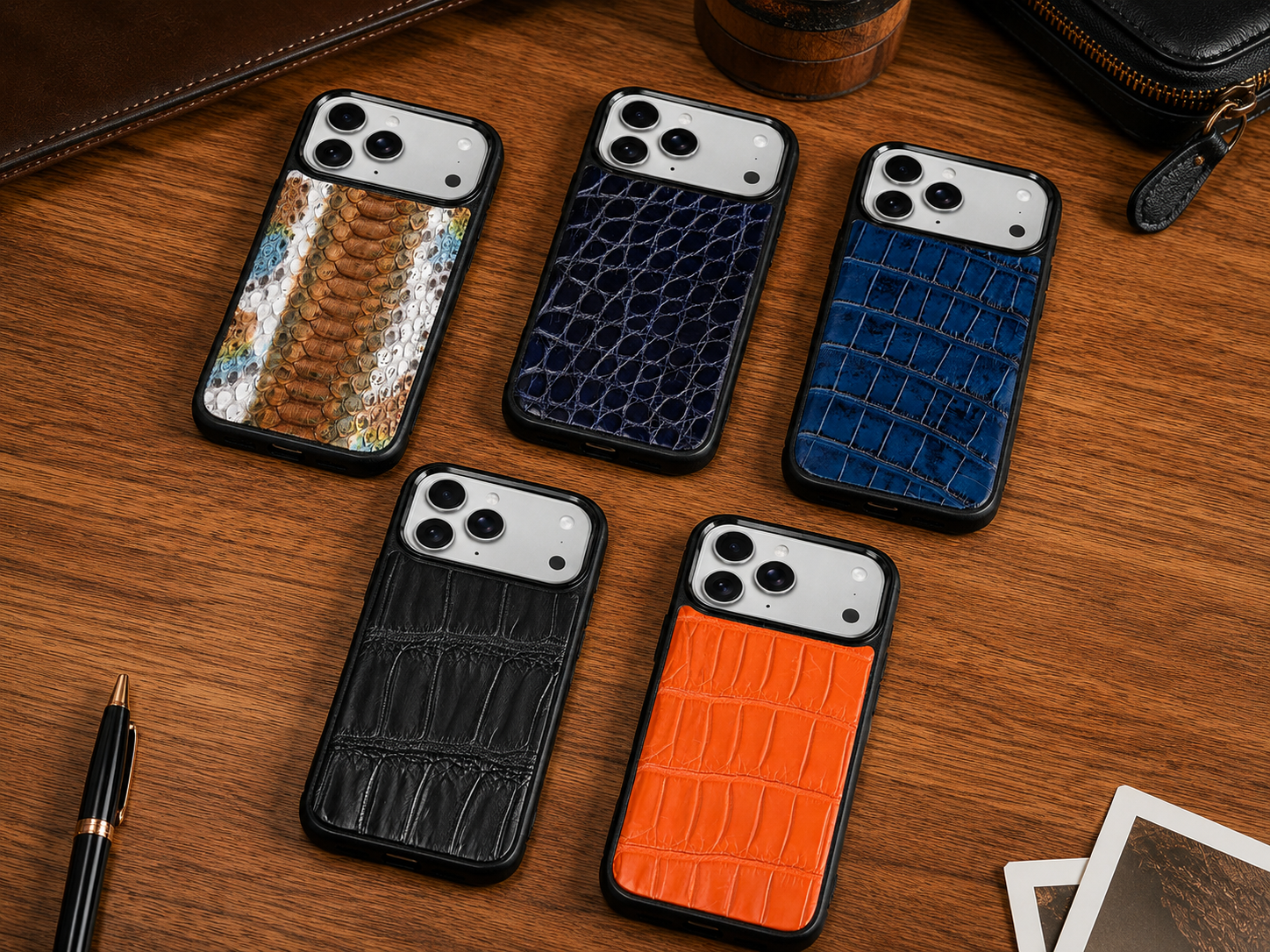
A well-designed iPhone 17 leather case usually combines a leather exterior with a reinforced inner frame rather than relying on leather alone for protection. This approach helps improve grip, reduce surface scratches, and provide better support around the corners and camera area. In daily use, construction quality often matters far more than whether the leather looks premium in product photos.
Where Leather Cases Work (and Where They Don't)
Everyday Protection Scenarios
In everyday use, a well-designed leather case can help with scratches, light bumps, and minor drops, especially if it has a solid inner frame, raised edges, and reinforced corners.
Limitations and Weak Points
Leather cases are best for everyday protection, not for heavy abuse. If your phone often falls onto concrete or tile, or if it is regularly exposed to rain, sweat, or dirt, a rugged case or a good TPU case is usually the more practical choice. Also, do not assume that every slim leather case has meaningful raised edges — many look protective but offer very little real clearance around the screen and camera.
The best way to judge a leather case is to look at how it performs in everyday situations. For normal daily use, it can be a good option. For rough use, it usually is not.
| Real-life situation | Good leather case with inner frame and raised edges | What it means in practice |
|---|---|---|
| Daily carry in a pocket or bag | Good | Usually enough to protect against light scratches, rubbing, and normal daily handling. |
| Minor drops at home or in the office | Usually good enough | Can help with short drops if the case has a solid frame and some corner protection. |
| Hard drops onto concrete or tile | Limited | Leather is not the best choice if your phone is often exposed to serious falls. |
| Frequent use in rain, sweat, or humidity | Limited | Leather usually ages worse in wet conditions than silicone or TPU. |
| Protection for screen and camera | Depends on design | The case is more useful if the edges around the screen and camera sit slightly above the phone’s surface. |
In short, a leather case makes the most sense for normal everyday use. If your main concern is hard drops, harsh environments, or frequent moisture, leather is usually not the most practical option.
Leather vs. Silicone vs. Hard Plastic
If you are deciding between materials, the best choice depends less on marketing and more on how you actually use your phone.
| Case material | Best for | Main strengths | Main weaknesses | Best choice if... |
|---|---|---|---|---|
| Leather | Everyday use | Better feel, better grip, more premium look, good protection from scratches and minor drops | Not the best for hard falls, rough environments, or frequent moisture | You want a slimmer case with a better look and decent daily protection |
| Silicone / TPU | Drop protection | Usually better shock absorption, practical for active use, good all-around protection | Can attract lint, stretch over time, or look worn faster | You care more about protection than appearance |
| Hard plastic | Light use | Thin, lightweight, often simple and inexpensive | Usually less forgiving during impact and often more slippery in the hand | You want a basic slim case and do not expect much drop protection |
In most cases, leather is the better choice for style, comfort, and everyday protection. Silicone or TPU is usually the safer choice if drop protection matters more than appearance. Hard plastic is usually the weakest option unless you only want a very slim, basic case.
The same balance between appearance and practicality is one reason many people still prefer a leather wallet over synthetic alternatives. Good leather usually feels more structured in the hand, ages more naturally, and tends to maintain a more premium look during everyday use. However, long-term durability still depends heavily on stitching quality, edge finishing, and how the wallet is carried day to day.
The Verdict: Should You Choose Leather for Protection?
A leather case makes sense if you want everyday protection without the bulk of a rugged case. It can help with scratches, grip, and minor drops, but it is not the best option for rough use, hard falls, or wet conditions.
Choose a leather case if:
- you want a slimmer case with a more premium look and feel;
- you mostly need protection from scratches, daily handling, and occasional minor drops;
- you prefer a slimmer case and do not need maximum impact protection.
Choose something else if:
- you drop your phone often;
- you work outdoors, on construction sites, or in other rough environments;
- you need the highest possible level of drop protection or better resistance to water and dirt.
What to check before buying
- Make sure the case has a real inner frame, not just a thin leather shell.
- Check whether the edges around the screen and camera are slightly raised.
- Look for corner protection if you care about drops.
- If you use MagSafe, make sure the case is specifically designed for it.
- Do not judge the case by leather alone — construction matters more than material.
Do not rely on marketing claims alone
Marketing claims like “drop-tested” or “military-grade” are not enough on their own. What matters more is whether the case clearly shows a solid structure, raised edges, and corner protection.
If you want better overall everyday protection, pair the case with a screen protector. The case helps protect the body of the phone, while the screen protector adds another layer for the display.
FAQ
Are leather cases compatible with MagSafe and wireless charging?
Yes, if the case is designed for it. Some leather cases work well with MagSafe, while others are too thick or do not align magnets properly. If MagSafe matters to you, choose a case that clearly states MagSafe support and check user reviews before buying.
Does a leather case protect the camera lens?
Only if the case has a raised edge around the camera module. The leather itself does not protect the lens. If the camera area sits flush with the back of the case, the lens is still at risk when the phone is placed on rough surfaces.
How does a leather case compare to a rugged case?
A leather case is a better fit for everyday comfort, slimmer carry, and light protection. A rugged case makes more sense if your main concern is serious drop protection. If protection is the priority, leather is usually the weaker choice.
How can I tell if a case is designed well?
Look for side-profile photos, visible raised edges around the screen and camera, and product images that clearly show the structure of the case. If the seller only shows front-facing beauty shots, that is a bad sign.