

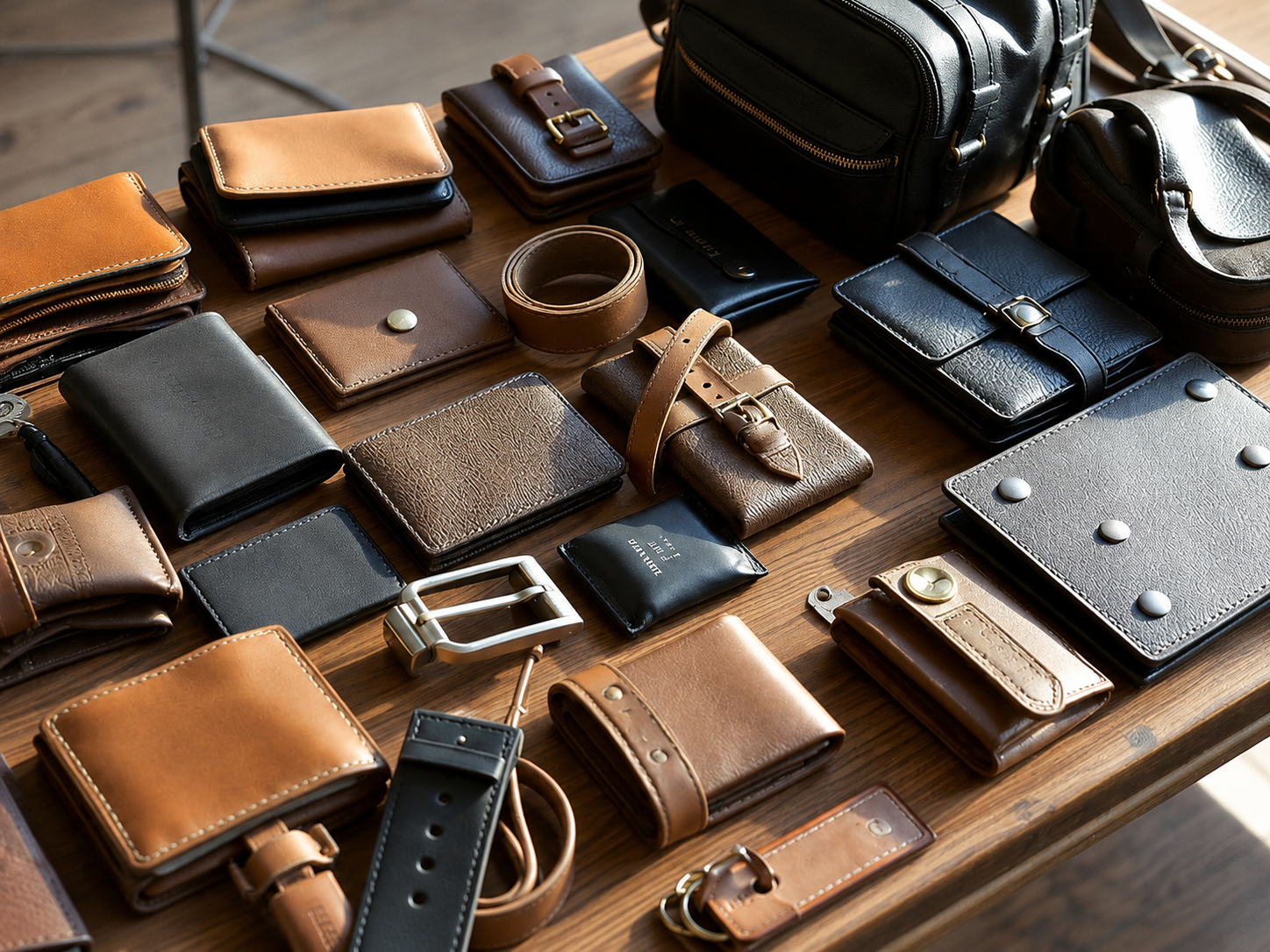
Leather vs. Fabric Wallets: Which Material Makes More Sense?
There is no single best wallet material. Leather usually makes more sense when structure, shape retention, and a less casual look matter to you. Fabric is often the more practical choice when low weight, travel, moisture exposure, or easy replacement matter more. In real use, the better option depends on what you carry, where you carry it, and how hard you are on your wallet.
Quick decision guide
Choose leather if you:
- carry several cards daily
- want a more structured wallet
- use it in office or city settings
Choose fabric if you:
- want lower weight
- expect wet or rough conditions
- prefer easy replacement over long-term aging
What's the Best Material for a Wallet?
Leather is usually the stronger choice when you want a wallet that keeps its shape, feels more substantial, and does not look overly casual with daily use. Fabric is usually the stronger choice when low weight, fast drying, and cheap replacement matter more than structure, aging, or appearance. Material alone does not decide quality: a well-made fabric wallet can easily outperform a badly made leather one.
Leather vs. Fabric Wallets by Use Case
A wallet works well only if it matches how you actually carry it. The table below is more useful than a generic “better vs worse” comparison because it ties each material to specific use cases.
| Use case | Better fit | Why |
|---|---|---|
| Office / business carry | Leather | Usually looks more structured and formal |
| Travel / outdoor use | Fabric | Lighter, faster drying, less sensitive to moisture |
| Minimal carry | Either | Construction matters more than material at low load |
| Longer-term daily use | Leather | Often keeps shape better and may be more repairable |
| Low-cost replacement | Fabric | Usually cheaper to replace and easier to treat as a utility item |
Understanding Different Types of Leather
Leather labels matter, but they should never be treated as proof of quality on their own. For wallets, thickness, construction, stitch consistency, edge finishing, and lining quality often tell you more than whether the leather is labeled full-grain, top-grain, or genuine.
Premium Grades (Full-Grain, Top-Grain)
Full-grain leather is often chosen for a firmer feel, more visible natural grain, and a more natural-looking surface over time. But the label alone proves very little: if the wallet is thin, poorly stitched, or badly finished, full-grain will not save it.
Top-grain leather is often the better choice if you want a cleaner, more uniform appearance and easier upkeep. It may not develop the same visible patina as less-corrected leather, but for many people that consistency is an advantage.
A premium iPhone 17 leather case is often made from top-grain or full-grain leather for similar reasons. Top-grain leather usually keeps a cleaner and more uniform appearance with less maintenance, while full-grain develops more visible character and patina over time. Besides leather type, it is also worth paying attention to details like inner lining, button responsiveness, and reinforced corners, since these factors affect long-term comfort and protection just as much as appearance.
Budget Grades (Genuine/Corrected Grain)
The term “genuine leather” is often misunderstood. It is not a strict quality grade, but a broad label that can include different types of leather—from lower-cost split leather to more processed materials. Because of this, the label alone does not reliably indicate durability or quality. Construction, thickness, and tannery matter more than terminology.
Corrected-grain leather is finished to create a more even appearance and hide natural variation. It may resist surface marks well at first, but it usually offers less natural character and may not age in the same way as less-coated leather.
Lower-cost leather can still be reasonable if the wallet is well made. Before buying, check edge finishing, stitching consistency, lining quality, and thickness. In many cases, a well-constructed wallet made from modest leather will outperform a poorly made wallet sold under a more premium label.
What to Check Before Buying a Wallet
Before comparing materials, check how the wallet is made:
- Thickness: very thin leather can wear out faster than expected
- Stitching: uneven or loose stitching often fails before the material does
- Edges: badly finished edges crack, peel, or fray early
- Capacity: overstuffing shortens the life of both leather and fabric wallets
- Lining: weak inner lining can fail even when the outer material still looks fine
A mediocre wallet made from premium leather is still a mediocre wallet.
A quality leather wallet should combine good leather with solid construction rather than relying on material labels alone. Clean stitching, properly finished edges, and well-designed card slots usually have a bigger impact on everyday durability than marketing terms such as “premium” or “luxury.” Even a more affordable leather wallet can perform very well if the construction quality is consistent throughout.
When NOT to Choose Leather
Leather is the wrong choice if low weight, low maintenance, and moisture tolerance matter more to you than structure or appearance. Fabric is usually the more practical option for travel, gym bags, outdoor use, or any setup where the wallet may get wet, dirty, or replaced often.
Frequently Asked Questions (FAQ)
Do leather wallets stretch over time?
Yes, slightly. Most stretching happens when the wallet is overfilled, especially in card slots used beyond their intended capacity. Preventing stretch is easier than fixing it later.
Are RFID-blocking leather wallets necessary?
RFID-blocking is optional for most buyers. If this is a concern for you, a simple RFID sleeve is often enough, and it usually makes more sense to focus first on wallet size, construction, and daily usability.
What is "vegan leather" and how does it compare?
Many products sold as “vegan leather” use synthetic coatings such as PU over a textile base. They can offer a consistent look and lower cost, but they usually wear differently from leather, especially around folds, corners, and edges. It makes more sense to treat them as a different material category, not a direct substitute for leather aging or repairability.
Do canvas wallets last as long as nylon?
Canvas is usually better for light or occasional use, but it tends to lose structure and show edge wear sooner than quality nylon. Nylon is generally the better option when moisture resistance and abrasion matter more.