

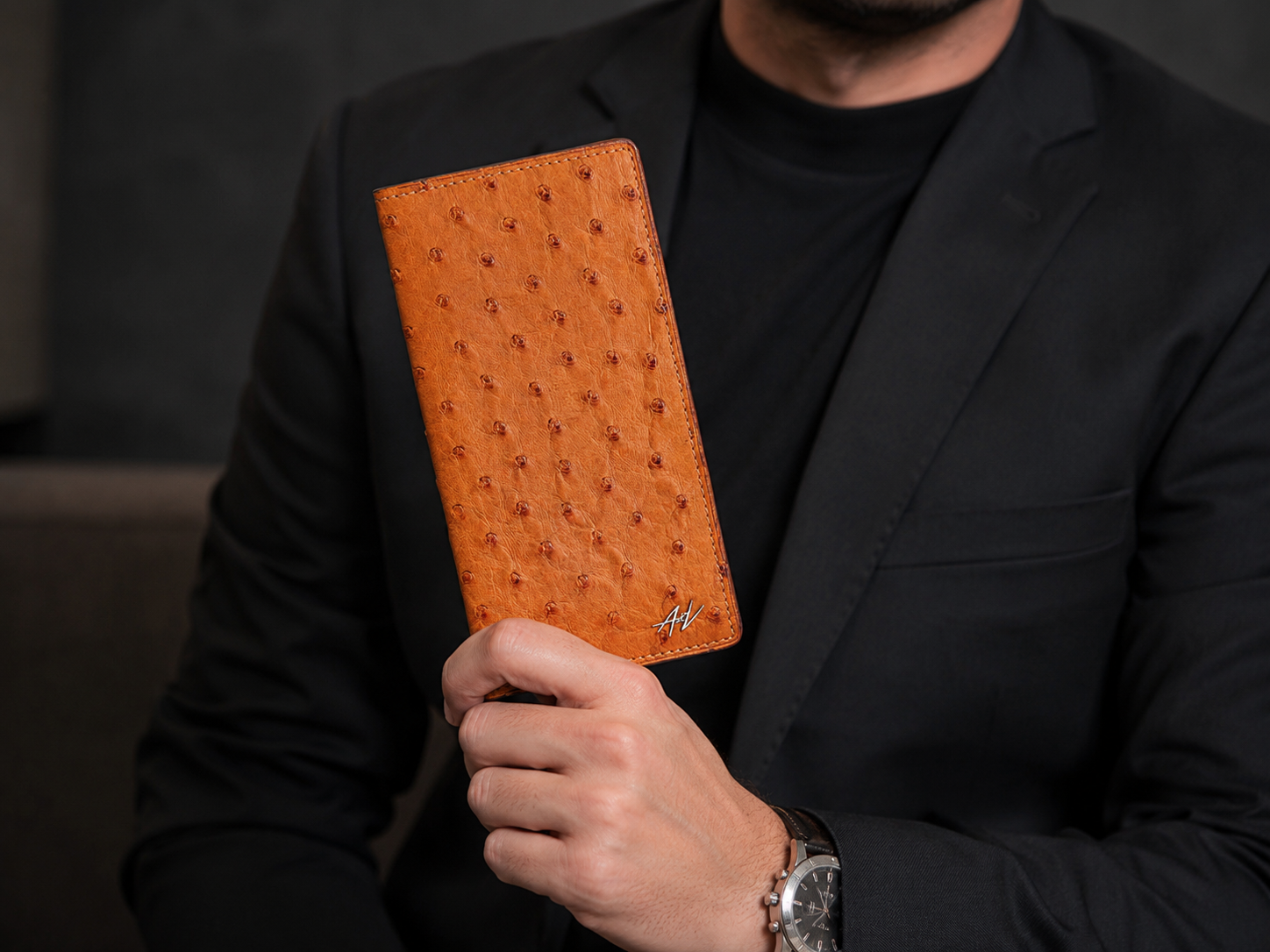
How Long Does a Leather Wallet Last? The Definitive Guide
A leather wallet can last anywhere from a couple of years to well over a decade. The difference usually comes down to leather quality, construction, daily use, and basic care. If you want the short answer: a well-made full-grain wallet usually lasts much longer than bonded or low-grade leather, but even a good wallet will wear out faster if it is overstuffed, bent in a back pocket, or exposed to moisture regularly.
How Long Does a Leather Wallet Last?
There is no single fixed lifespan for a leather wallet. In practice, better leather and better construction usually mean a longer service life, while low-grade or bonded leather tends to wear out sooner. As a general pattern, full-grain usually lasts the longest, top-grain is often a solid middle ground, and lower-grade genuine or bonded leather is more likely to wear out earlier.
Leather quality matters, but daily use matters almost as much. Even a good wallet wears out faster if it is overfilled, bent in a back pocket, or exposed to sweat, rain, and heat on a regular basis. On the other hand, moderate use and solid construction can noticeably extend the life of an otherwise ordinary wallet.
Wallet Longevity by Leather Type
Full-grain leather is usually the most durable option because the surface structure remains more intact than in lower-grade leather. It tends to hold shape well and age attractively over time, although actual lifespan still depends on construction quality and daily use.
Top-grain leather can still last well, but it usually shows wear sooner than full-grain. It is often chosen for a cleaner, more uniform appearance rather than maximum longevity.
The same principle applies to an iPhone 17 leather case. Higher-quality leather usually ages more evenly and resists surface cracking better than heavily coated or synthetic materials. Since a phone case is handled constantly throughout the day, details such as edge protection, inner microfiber lining, and properly finished leather surfaces can make a noticeable difference in both comfort and long-term appearance.
Genuine leather is not automatically premium. It can be serviceable, but it is often less durable and more likely to stretch, peel, or lose shape earlier than higher-grade leather.
Bonded leather is usually the least durable option and tends to crack or peel earlier than better leather types.
| Leather Type | Expected Lifespan | Wear Resistance | Conditioning Frequency |
|---|---|---|---|
| Full-grain | 10–15+ years | Excellent | Every 3–6 months |
| Top-grain | 5–10 years | Good | Every 4–8 months |
| Genuine | 1–3 years | Fair | Every 6–12 months |
| Bonded | 1–2 years | Poor | Not effective |
What Factors Affect a Leather Wallet's Lifespan?
In real life, wallets usually wear out faster for a few predictable reasons: poor leather quality, too much bulk, repeated bending, moisture, and lack of basic care.
Leather quality still matters. In general, better leather holds its shape longer and wears more gradually, while lower-grade leather is more likely to stretch, crack, or lose its finish earlier.
Construction: Tight, reinforced stitching holds better than glued seams. Wallets with reinforced stress points—where cards slide in, where fold line bends—last longer. Edge finishing (burnished or painted edges) protects cut leather from fraying. Hardware quality matters: cheap snaps and rivets corrode or pull out; quality hardware holds.
Daily use matters a lot. Overstuffing stretches card slots, puts more stress on seams, and can make the wallet lose shape over time. Carrying it with keys, coins, or bulky receipts can also speed up corner wear and surface scuffing.
Moisture is one of the fastest ways to shorten a wallet’s life. Repeated exposure to sweat, rain, or spills can dry the leather out unevenly, weaken the feel of the material, and speed up cracking or edge wear over time.
Heat and direct sun can fade the finish and dry the leather out faster. A wallet that regularly sits in hot places will usually show wear sooner than one kept in normal indoor conditions.
Storage and pocket placement: Sitting on a wallet in back pocket bends it repeatedly at unnatural angles, warping structure. Front-pocket carry distributes stress more evenly. Wallets stored flat in cool, dry place retain shape better than those tossed into bags or left on surfaces exposed to temperature swings.
Abrasion and friction: Keys, coins, and rough pocket interiors scuff leather surfaces. Over time, these micro-abrasions wear through finishes and protective layers, exposing raw leather that dries out faster.
Chemicals and cleaners: Alcohol-based hand sanitizers, acetone, and harsh soaps damage leather. Sanitizer dries out oils; acetone dissolves finishes; soaps strip protective layers. Repeated exposure leaves leather brittle and discolored.
The same wallet can age very differently depending on how it is carried and treated. Good leather helps, but habits such as overstuffing, constant bending, and repeated moisture exposure often decide how long the wallet stays functional.
How to Care for Your Wallet to Make It Last Longer
Wallet care does not need to be complicated. The basics matter most: keep it dry, avoid overstuffing it, clean it occasionally, and condition it when the leather starts to feel dry or stiff.
Step 1 — Empty and dry brush
Remove the cards and clear out any loose debris. A soft dry cloth or brush is usually enough before you do any deeper cleaning.
Step 2 — Clean
To clean the wallet, wipe it gently with a slightly damp soft cloth. If needed, use a leather cleaner in a small amount and avoid soaking the material. Let it dry naturally away from direct heat.
Step 3 — Spot-treat
For small stains, use a dedicated leather cleaner carefully and test it first on a less visible area. Avoid aggressive rubbing.
Step 4 — Condition
If the leather starts to feel dry, use a small amount of conditioner and apply it lightly. Do not overdo it. The goal is not to saturate the wallet, but to keep the leather from drying out and cracking over time.
Step 5 — Protect
If you want extra protection, use a leather-safe product that does not leave the material sealed or overly coated. In general, heavy or unsuitable protectants can do more harm than good.
Step 6 — Ongoing maintenance
For most people, simple habits are enough: do not overload the wallet, keep it away from moisture and heat, and clean or condition it when it actually starts to look dirty or feel dry. If you carry it every day, avoiding constant pressure in a back pocket can also help it hold its shape longer.
Signs It's Time to Replace Your Leather Wallet
Some wear is cosmetic and does not mean the wallet needs to be replaced. The more important question is whether the wallet still holds cards securely, keeps its shape, and remains structurally intact.
Frayed or popped stitching that won't hold repairs: If thread has come loose in multiple places or stitching holes have torn through leather, wallet's structural integrity is compromised. Restitching may work once, but repeated repairs rarely hold long-term.
Deep cracks, peeling edges, or brittleness: Cracks penetrating through leather layer—not just surface scratches—mean fibers have dried out beyond recovery. Conditioning won't reverse this. Peeling along edges or corners indicates finish or lower leather layers are delaminating. Brittleness—leather feels stiff and breaks when flexed—signals irreversible drying.
Warped shape, stretched slots that drop cards: If wallet no longer closes flat, holds curve, or sags permanently, material has been overstressed. Stretched card slots that no longer grip cards securely can't be tightened. Wallet is functionally compromised.
Persistent fading or blotchy color that won't recover after conditioning: Uneven fading or discoloration remaining after cleaning and conditioning usually means finish has worn through or leather has been chemically damaged. This doesn't affect function, but signals wallet is near end of presentable life.
Loose hardware, broken snaps, or delaminating liners: If metal snaps no longer close, rivets pull out, or interior fabric liners separate from leather, these failures compound. Hardware can sometimes be replaced, but if multiple issues appear simultaneously, replacement is more practical than piecemeal repair.
If the wallet shows multiple structural problems at once—such as failed stitching, cracked leather, and loose card slots—replacement is usually more practical than trying to keep it in service.
Frequently Asked Questions
Does real leather last forever?
No. Real leather can last a long time, but it does not last forever. Better leather usually ages more slowly, while poor storage, heavy wear, moisture, and neglect can shorten its life significantly.
Can you restore a dried-out leather wallet?
Sometimes. If the leather is only dry or slightly stiff, careful cleaning and light conditioning may improve it. But once the wallet has deep cracks or has become brittle, you are usually dealing with permanent damage rather than something that can be fully restored.
Is it better to keep a wallet in front or back pocket?
Front-pocket carry is usually easier on the wallet. Keeping it in a back pocket exposes it to repeated bending and pressure from sitting, which can warp the shape and stress the stitching over time.
A good leather wallet will usually keep its shape much longer when it is not constantly overstuffed or bent under pressure. Rotating between wallets occasionally and carrying only the cards you actually use every day can significantly reduce stress on stitching and card slots. These small habits often have a bigger impact on longevity than conditioning products alone.
How many cards per slot is safe?
As a rule, forcing too many cards into each slot shortens the life of the wallet. If the slots already feel tight, cramming in extra cards will stretch the leather faster and make the wallet lose shape sooner.
What should I do if leather gets wet?
Pat dry immediately with soft, absorbent cloth—don't rub. Let air-dry naturally in well-ventilated area away from direct heat or sunlight. Forced drying (hairdryer, radiator, direct sun) causes cracking. Once it no longer feels damp, apply a light conditioner if the leather seems dry after the wallet has air-dried.