

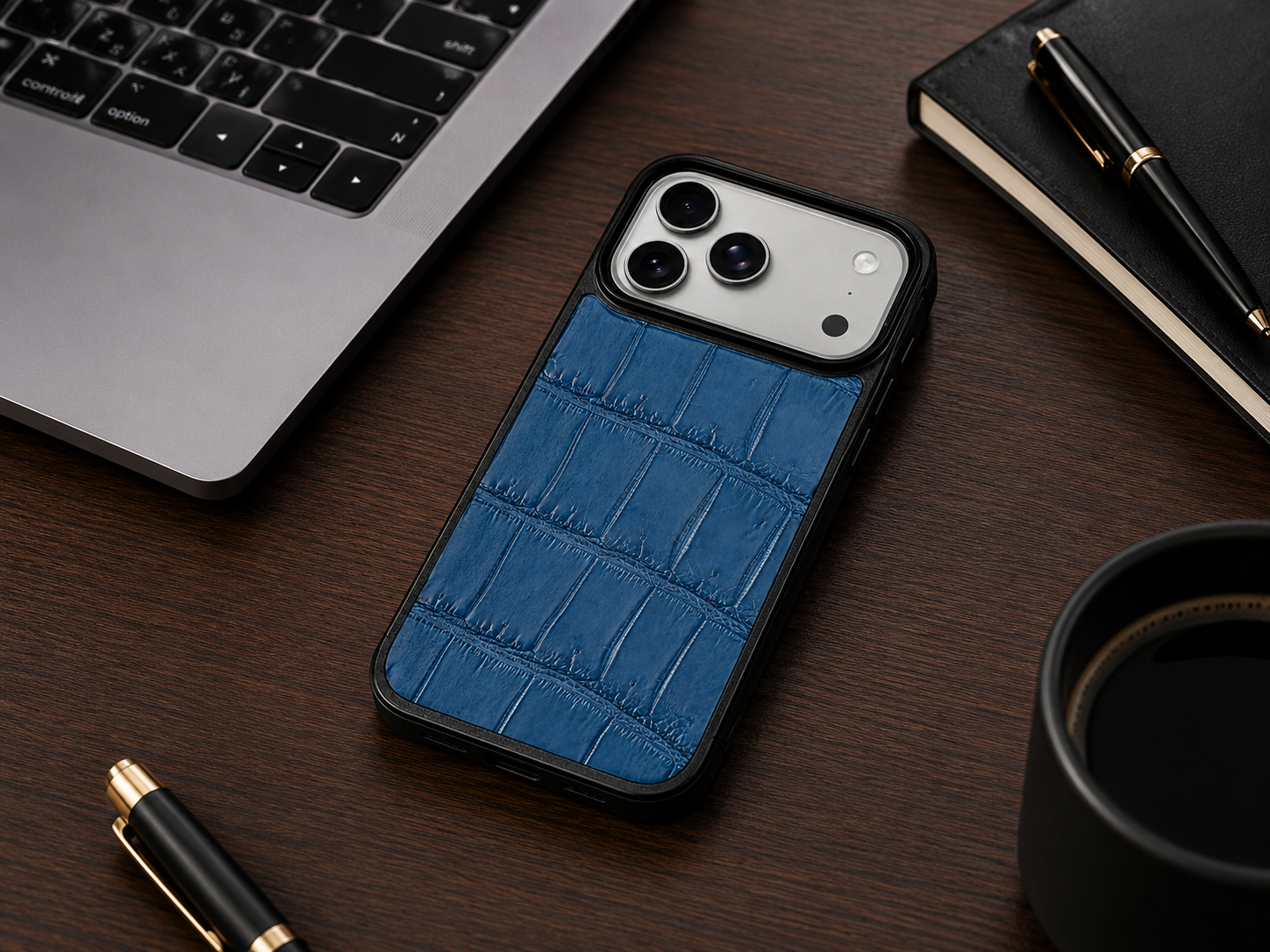
Why Leather Phone Cases Are Worth It
A leather phone case can be worth the extra money, but not for everyone. It makes more sense if you care about feel, appearance over time, and solid everyday protection—not if your only goal is the cheapest case or the most rugged drop coverage. Good leather can wear better than many low-cost synthetics, but the real value still depends on build quality, fit, edge protection, and how you actually use your phone.
Key Benefits: Why a Leather Case is a Smart Investment
A leather case is only worth paying extra for when both the material and the construction are good. Terms like full-grain and top-grain can matter, but buyers make a mistake when they treat those labels as proof that the whole case is well made. In real use, the shell, corners, edge finishing, lining, and fit often matter just as much as the leather grade itself.
Leather can help with grip and surface scratch resistance, but it is rarely the main reason a case protects the phone well. In most cases, real drop protection comes from the inner shell, corner design, raised lip, and how tightly the case fits the device. That is why a badly built leather case can protect worse than a well-designed TPU or hybrid case, even if the material itself looks more premium.
Leather durability depends far more on grade and construction than on the label alone. A well-made full-grain or top-grain case can hold up well in daily use, but cheaper products often fail at the edges, corners, glue lines, or inner shell long before the leather itself becomes the main issue. In practice, buyers should pay more attention to assembly quality than to polished marketing language about premium materials.
Grip: Leather often feels more secure in the hand than hard plastic, especially after a short break-in period. That does not make it the grippiest option overall—many silicone cases still offer more friction—but it can be a better balance for users who want grip without the sticky feel that some silicone cases develop.
A leather case can stay relatively slim, but thinness alone does not tell you how protective it is. A slimmer case may be more comfortable in a pocket, yet corner reinforcement, inner shell rigidity, and lip design matter more than a neat-looking thickness number in a product listing.
Comfort and feel: For many buyers, leather is not about specs at all. It is about using something that feels more natural in the hand and less cheap than glossy plastic. That is one reason accessories like an iPhone 17 leather case continue to appeal to users who care about tactile feel as much as raw protection specs.
Leather can be more repair-friendly than many cheap synthetic cases, especially when the surface can be cleaned, conditioned, or refinished instead of replaced immediately. That does not make leather automatically sustainable, but it can make more sense for buyers who would rather maintain one decent case than keep replacing cheap ones.
Understanding the Material: What Defines a Quality Leather Case
Full-grain leather is usually valued because it keeps more of the natural grain and often looks better as it wears. That can be a real advantage, but buyers still make a mistake when they treat the leather grade as the whole story. If the shell, corners, fit, or edge finishing are weak, the case can still be mediocre no matter how good the leather sounds on the product page.
Top-grain leather usually looks more even and controlled than full-grain, which some buyers prefer. It can still be a solid choice for daily use, especially if you want leather without a more rugged or visibly changing finish. The trade-off is that it may feel less distinctive over time to buyers who want stronger texture and more visible aging.
“Genuine leather” is often not a quality claim at all. In many listings, it only tells you that some real leather is present somewhere in the product without saying much about grade, finish, or how much of the case actually uses it. Buyers should treat it as vague marketing language unless the seller also shows the build quality, edge finishing, lining, and clear material details.
Beyond leather grade, construction matters. Tight stitching prevents seam splitting. Reinforced corners absorb impact at the most vulnerable points. Molded edges ensure snug fit without gaps. A microfiber lining prevents grit from scratching your phone's back and sides. These details separate functional protection from decorative covering.
One of the most common buying mistakes is assuming that a “leather case” is built around quality leather from top to bottom. In many listings, the leather is only a thin outer layer over a mediocre plastic shell, or the wording is vague enough that you never learn the actual leather grade. If a seller avoids close-up photos of the edges, lining, corners, and side profile, assume the material claim is doing more work than the product itself.
The Ownership Experience: More Than Just a Case
Leather usually shows wear instead of hiding it. For some buyers, that is exactly the appeal: the material develops character through daily use rather than simply looking damaged. The same aging pattern is one reason many people prefer a leather wallet or leather phone case over synthetic accessories that only look worse as they wear down.
Leather vs. Silicone vs. Plastic: A Quick Comparison
|
Material
|
Best for
|
What it does well
|
Common downside
|
How it usually ages
|
|---|---|---|---|---|
|
Leather
|
Buyers who care about feel, appearance over time, and a less disposable look
|
Feels tactile, can age attractively, may be more repair-friendly than cheap synthetics
|
Usually costs more, needs some care, and is a weaker choice for wet or rough conditions
|
Often develops visible wear and patina rather than staying factory-clean
|
|
Silicone
|
Users who want high grip and simple everyday protection
|
Grippy, easy to use, usually practical for casual daily carry
|
Can attract lint, feel sticky over time, and is rarely worth repairing
|
Often loses surface quality, stretches, or looks worn faster than leather
|
|
Hard plastic
|
Buyers who want a cheap, lightweight, low-commitment case
|
Usually affordable, light, and easy to replace
|
Can feel slippery, look cheap, and crack or scuff more obviously with use
|
Tends to show scratches, chips, and brittle wear rather than aging gracefully
|
No material wins for everyone. Leather makes more sense if you care about feel and appearance over time, silicone is usually the easiest choice if grip matters most, and hard plastic is often the cheapest but also the most disposable option. The better choice depends less on branding and more on how you actually use your phone day to day.
Choosing a Leather Case: What to Check Before Buying
When buying a leather case online, ignore the polished branding first. Start with the details that actually decide whether the case will fit well, feel solid, and hold up in daily use.
Check first: whether the seller clearly states the leather grade, shows real close-up photos, and provides clear views of the corners, side profile, inner lining, and camera lip.
Then verify: how well the case appears to fit the phone, whether the cutouts look clean, whether the buttons look usable, and whether MagSafe support is explicitly confirmed if you need it.
Only after that: pay attention to edge finishing, warranty, branding, and cosmetic details.
A common buying mistake is focusing on the word “leather” while ignoring the shell underneath. In real use, a modest-looking case with solid construction is often a better buy than a prettier case with weak corners, poor fit, or vague material claims.
Care and Maintenance: Protecting Your Investment
Cleaning: if the case looks dirty, wipe it with a soft cloth before grime settles into the surface. If that is not enough, use a small amount of leather-safe cleaner or mild soap, but do not soak the case or treat it like washable plastic.
Conditioning: if the leather starts looking dry, stiff, or dull, a small amount of leather-safe conditioner may help bring back some flexibility. You do not need to overdo it, but ignoring obvious dryness is one of the fastest ways to make leather age worse than it should.
What to avoid: harsh solvents, alcohol-heavy cleaners, prolonged water exposure, and direct heat. These are more likely to dry the leather out or damage the finish than normal wear is.
Compatibility and Fit: MagSafe, Wireless Charging, and Everyday Use
A leather case should not get in the way of using the phone normally. If charging becomes inconsistent, buttons feel awkward, or accessories stop working properly, the problem is usually poor case design—not the fact that the outer material happens to be leather.
Wireless charging and MagSafe: some leather cases work well with them, while others do not. The key factors are magnet placement, shell design, and case thickness—not the leather label alone. If you rely on MagSafe accessories, look for explicit compatibility claims and real user feedback.
Buttons and cutouts: poorly designed cases often feel worst at the buttons and ports long before the leather becomes the issue. Check whether product photos show clean alignment and whether reviews mention stiff buttons or awkward charging access.
Camera and screen clearance: a useful case should provide enough lip and camera protection to reduce direct contact with surfaces, but product photos and fit quality matter more than neat-looking numbers in a spec list.
Everyday carry: some leather cases stay slim and comfortable, while others add more bulk than expected because of the shell underneath. Always judge profile, corner design, and fit together rather than relying on thickness claims alone.
Limitations and When Leather Isn't the Right Choice
Leather cases can work well in ordinary daily use, but they have obvious limits. In some situations, a synthetic case is not just different—it is simply the better tool.
Extreme drop protection: leather cases may be fine for ordinary daily mishaps, but they are usually not the best choice for heavy-duty protection. If your phone is regularly exposed to hard falls, worksite conditions, or rough outdoor use, a rugged synthetic case is usually the safer option.
Water resistance: leather is not waterproof. Light splashes may wipe off without lasting damage, but submersion, prolonged rain, or repeated wet-pocket exposure can stain, warp, or weaken the material. If your phone regularly ends up around heavy rain, beach trips, water sports, or wet outdoor work, a waterproof synthetic case is usually the smarter choice.
Minimal maintenance tolerance: leather makes less sense if you want a case that can be ignored completely. It usually benefits from at least basic care over time, while many synthetic cases are more forgiving if you treat them as low-maintenance consumables.
Extreme temperatures: Leather is less forgiving than many synthetics in harsh environments. Repeated exposure to heat, very dry air, moisture, or extreme cold can affect how it looks and feels over time. If your phone regularly lives in a work truck, on a construction site, at the beach, or in heavy rain, a more utilitarian synthetic case is often the safer choice.
Allergy or ethical concerns: Some users have leather sensitivity or prefer animal-free materials. PU-based vegan leather exists but lacks the durability and aging properties of full-grain hide. Mycelium and cactus alternatives show promise in lab tests but lack standardized long-term wear data as of 2026. If ethics or allergies rule out leather, recognize that current synthetics trade longevity and patina for immediate compatibility.
Who should skip leather:
- Users needing waterproof or extreme-impact protection
- Those who want a case they can ignore completely
- Individuals working in harsh outdoor or wet environments
- Users with leather allergies or strong material-ethics preferences
Leather cases usually make the most sense in moderate daily use where feel, appearance, and aging matter. They are not universal solutions, and they are often the wrong pick for wet, dirty, or high-impact environments. Match case material to your actual usage patterns and priorities rather than chasing aesthetic appeal alone. Honest assessment prevents disappointment and ensures your case choice aligns with real protection needs.
Final Verdict: Are They Worth It For You?
A leather case is not automatically the smarter buy. It makes the most sense for people who care about feel, visible aging over time, and a case that does not feel like a cheap consumable.
It makes less sense when your priorities are maximum drop protection, zero maintenance, low replacement cost, or reliable performance in wet, dirty, or harsh environments. In those situations, a good TPU, hybrid, or rugged case may be the more practical choice.
Choose leather if: you value material feel, a less disposable look, and are comfortable with visible wear over time.
Skip leather if: you want the cheapest functional protection, dislike patina or surface change, or need a case for rough daily conditions.
If you are deciding purely on value, the real question is not whether leather is “premium.” The real question is whether you will actually benefit from the things leather does better—and tolerate the things it does worse.
FAQ
Do leather cases interfere with MagSafe or wireless charging?
Some do, some do not. The result depends more on magnet alignment, shell design, and case thickness than on leather alone. If MagSafe matters to you, rely on clear compatibility claims and real user reviews rather than assumptions.
Are vegan leather cases comparable in durability?
Some alternatives can look good at first, but many low-cost vegan leather finishes tend to crack, peel, or delaminate faster than well-made leather. That does not mean every animal-free case is poor, but buyers should judge the actual finish and construction rather than assuming the material label guarantees long-term performance.
Will leather show wear too quickly for daily use?
It can show visible change sooner than some buyers expect. Light scuffs, darkening in high-contact areas, and surface softening are common with regular use. For some people that is part of the appeal; for others it is a reason to avoid leather and choose a case that stays more visually uniform.
Is a leather case a bad choice for rough or wet environments?
Often, yes. Leather is usually a weaker fit for heavy rain, construction sites, dusty outdoor work, or situations where the phone is exposed to repeated hard drops. In those scenarios, a TPU, hybrid, or rugged synthetic case is often the more practical option.